Table of contents
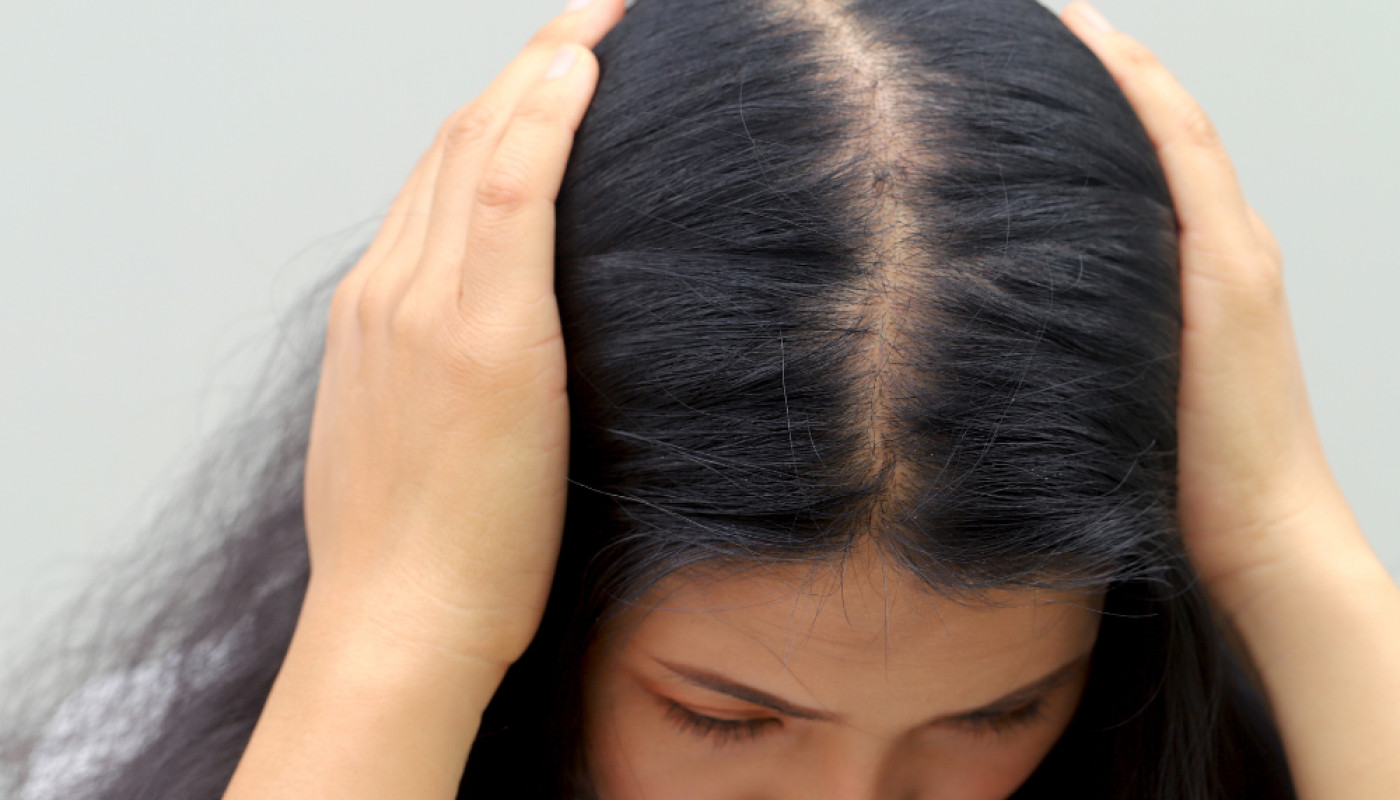
Hair loss rarely appears overnight. It often starts with subtle changes: more hair in the shower, a wider parting or reduced density around the crown. These signs are easy to dismiss, but timing matters. PRP therapy is generally most relevant while hair follicles are still present but becoming weaker, rather than once an area has been bald for years.
When is the right time to consider PRP?
A PRP hair treatment in London may be worth considering when thinning becomes noticeable but follicles are still active. Kensington International Clinic explains that PRP works by supporting weakened or dormant follicles; it cannot create new follicles where none remain.
This makes early assessment particularly useful. A receding hairline, widening parting or gradual reduction in overall density may indicate that treatment should be discussed before thinning progresses further.
Signs worth investigating include:
Persistent or increasing shedding
Reduced density around the crown
A noticeably wider parting
Finer or weaker-looking hair
Gradual changes visible in photographs
Not every case of shedding requires PRP. Hair loss can have different causes, so evaluating the scalp first helps determine whether this approach is appropriate.
How does PRP work for hair loss?
PRP stands for Platelet-Rich Plasma. At Kensington International Clinic, treatment begins by taking a small blood sample from the patient. The blood is processed through centrifugation to isolate the component richest in platelets and growth factors. This concentrated material is then injected into targeted areas of the scalp.
Because the treatment uses material obtained from the patient's own blood, it is autologous and non-surgical. The aim is to improve the environment surrounding existing follicles and support hair growth and density.
Each session is generally quick, and patients can resume their normal activities afterwards. This makes PRP hair treatment in London particularly practical for people looking for an option that does not involve surgery or significant downtime.
What results can patients realistically expect?
PRP should not be approached as an instant solution. Kensington International Clinic reports that results typically start becoming visible within three to six months after treatment begins. The clinic also states that clinical evidence shows improved hair density and reduced shedding in 70% to 90% of patients following an appropriate treatment course.
The clinic cites average increases in hair density of approximately 25% to 30%, with some studies reporting greater improvements in thickness or density. Benefits may last around 12 to 18 months before maintenance sessions are considered.
Individual outcomes vary, which is why expectations should be discussed before beginning treatment.
What does treatment involve at Kensington International Clinic?
PRP is usually delivered as a course rather than a single appointment. Kensington International Clinic recommends several sessions on average, spaced a few weeks apart, although the exact number depends on the patient's hair condition and objectives. Follow-up maintenance may subsequently be advised.
The clinic also offers a free hair loss consultation, including a scalp evaluation and tailored advice. This initial assessment is important because it helps establish whether PRP hair treatment in London is genuinely suited to the patient's type and stage of hair loss.
Could now be the right time to act?
Waiting for hair loss to become severe can reduce the options available. PRP is designed to support follicles that are still present, making earlier assessment particularly relevant when thinning has recently become noticeable.
Comparing photographs taken several months apart can help reveal changes that are difficult to notice in the mirror. A wider parting, thinner crown or gradual reduction in volume deserves attention.
For people noticing these early changes, Kensington International Clinic provides specialist assessment and a structured PRP treatment pathway. Rather than waiting for thinning to progress, discussing PRP hair treatment in London at the appropriate stage can help determine whether existing follicles can still benefit from targeted support.
On the same subject


